








文章目录
Product Overview
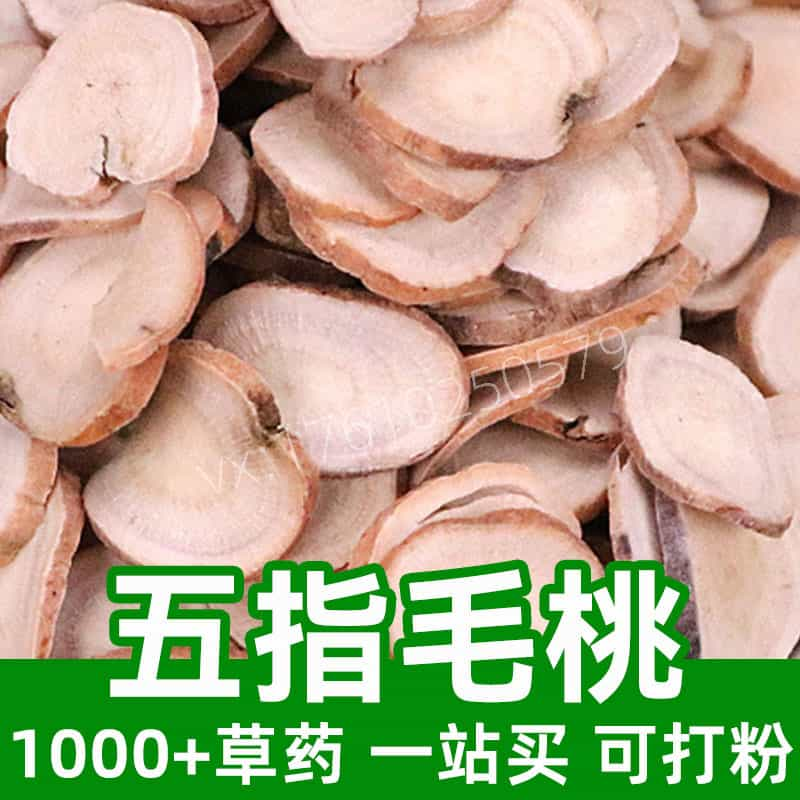
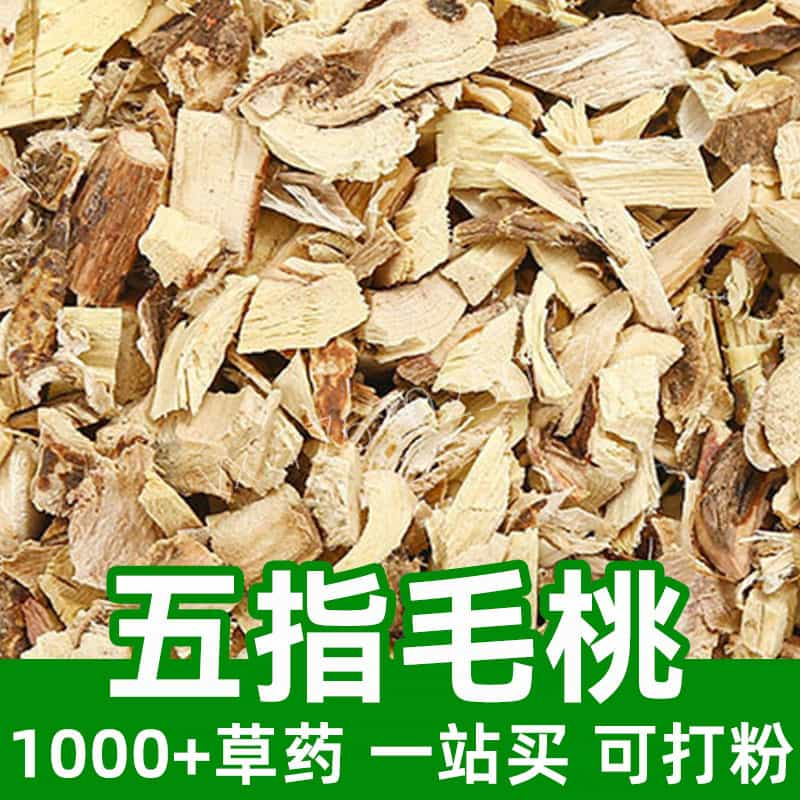
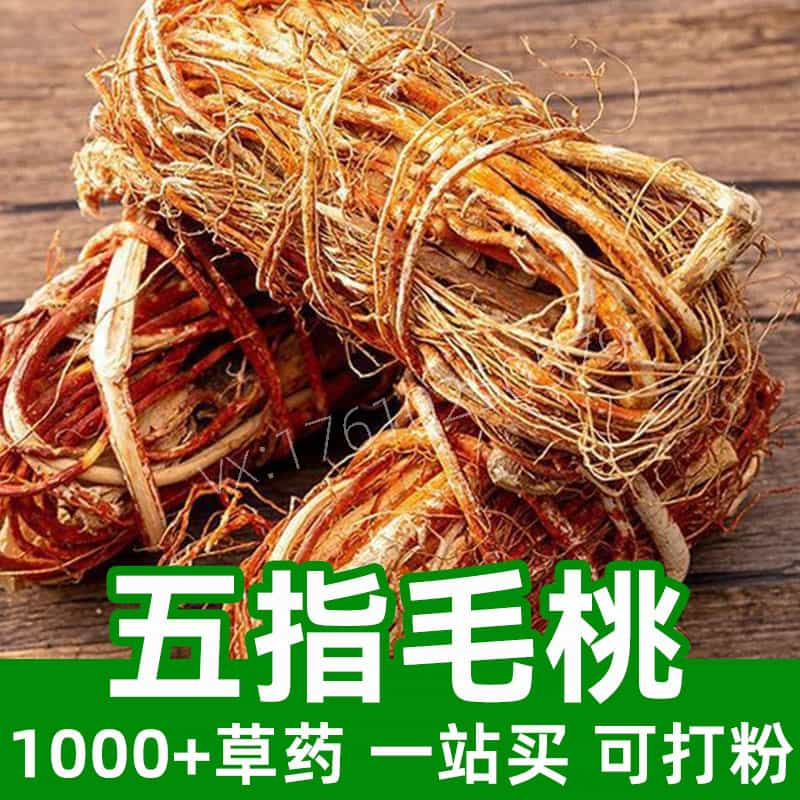
Radix Fici Hirtae, also known as Coarse-leaved Fig, is the root of the Moraceae plant Ficus hirta. It is found in regions such as Fujian, Guangdong, Guangxi, Hainan, Guizhou, Yunnan, as well as Vietnam and Cambodia. Rich in volatile oils, amino acids, sugars, sterols, coumarins, alkaloids, and organic acids, it appears as cylindrical short segments or flakes. It is known for strengthening the spleen, nourishing the lungs, regulating qi, removing dampness, relaxing muscles, and activating channels. It is commonly used to treat conditions such as spleen deficiency edema, poor appetite, tuberculosis cough, night sweats, leukorrhea, postpartum lactation deficiency, rheumatic pain, edema, liver cirrhosis ascites, hepatitis, and injuries from falls.
Radix Fici Hirtae is widely used in traditional Chinese medicine and food products.
Main Chemical Components
Contains volatile oils, amino acids, sugars, sterols, coumarins, alkaloids, and organic acids. Water decoctions and ethanol extracts show good antitussive and expectorant effects in mice and have a significant antibacterial effect against Staphylococcus aureus and Streptococcus hemolyticus.
Effects and Functions
- Antibacterial effects.
- Enhances immunity.
- Expectorant effects.
- Anti-hypoxia, anti-oxidation effects.
- Liver protection effects.
- Anti-inflammatory and analgesic effects.
- Relaxing effects on smooth muscle.
Applications: Traditional Chinese Medicine, Food
- Traditional Chinese Medicine: Anti-tuberculosis pills, asthma pills, Gongyanping dispersible tablets, Fuyanjing tablets, etc.
- Food: Radix Fici Hirtae chicken soup, Radix Fici Hirtae pork rib soup, etc.
Plant Source
Radix Fici Hirtae, also known as Coarse-leaved Fig, is a woody shrub from the Moraceae family. It has alternate leaves that are papery, long-elliptic, or broad-ovate with fine serrations. The fig fruits are paired, axillary or on deciduous branches, spherical or ellipsoid. The species is dioecious, with flowers that bloom in sync within inflorescences but asynchronously between male and female plants. The female flowers have long styles, while male flowers have short-styled female flowers. The flowering and fruiting period is from April to June.
Distribution Range: Ficus hirta is found in China, Nepal, Bhutan, Northeastern India, Vietnam, Myanmar, Thailand, Malaysia, and Indonesia. In China, it is distributed in Yunnan, Guizhou, Guangxi, Guangdong, Hainan, Hunan, Fujian, and Jiangxi. It is commonly seen near villages, in open areas or forest edges, or as an epiphyte on other tree trunks.
Growth Environment: It often grows in forest undergrowth or forest edges, preferring an altitude of 180—1380 meters. Ficus hirta flowers year-round, producing few inflorescences and fruits, with a short reproductive cycle, making it easier to form natural populations.
Main Value:
- Medicinal: The root is used in traditional medicine, known as Radix Fici Hirtae. It contains organic acids, amino acids, triterpenes, coumarins, alkaloid compounds, etc. It is sweet in flavor and neutral in nature, strengthening the spleen and lungs, regulating qi, and removing dampness. It is used to treat tuberculosis cough, night sweats, fatigue, poor appetite, edema, rheumatic pain, hepatitis, leukorrhea, and postpartum lactation deficiency. It is also a food-medicine homologous plant, commonly consumed to enhance the immune function.
The "Chinese Pharmacopoeia" notes that Ficus hirta has the effects of strengthening the spleen, removing dampness, regulating qi, relieving phlegm, promoting circulation, and tonifying qi. Ficus hirta is a popular medicinal ingredient in Guangdong, often called "Five-fingered peach root" in local folk medicine. It has a long history of use in Guangdong's Heyuan and many minority areas as a common herbal remedy, particularly for treating myasthenia gravis and pediatric cough and asthma. The dried root can strengthen the spleen, nourish the lungs, remove dampness, and relax muscles.
- Economic: The stem bark fibers are used to make ropes and sacks.
Consumption Method: Used in soups.